Cottage Communities
Tiny Home and Cottage Communities in Delaware: What Exists Now
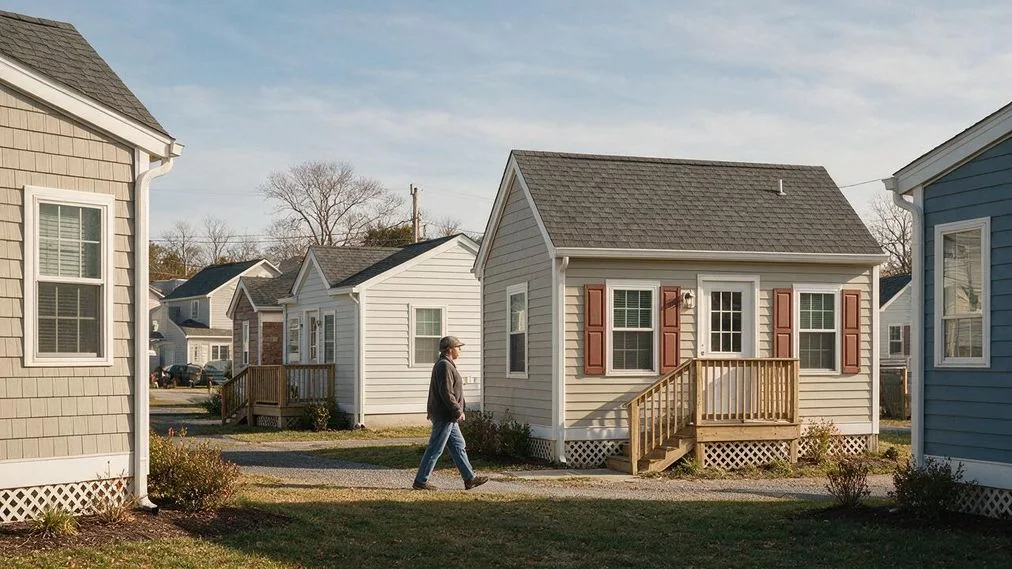
Delaware’s small-home options exist, but they’re usually marketed as manufactured homes, coastal cottages, park models, or recreational vehicle resorts rather than a dedicated tiny-house village. Your ability to live in one full-time depends on the property type, county rules, permits, utilities, and the community’s occupancy terms.
If you’re searching for tiny home communities in Delaware, the labels can make your search harder than it needs to be. This guide explains which verified communities fit the small-footprint lifestyle, how Delaware classifies different homes, and what you need to check before buying land, purchasing a home, or signing a rental agreement.
What Counts As A Tiny Home, Cottage, Or Park Model In Delaware?
A tiny home, cottage, and park model can look similar, but they aren’t automatically treated the same by a county or community. The construction method, foundation, mobility, utility connections, and approved land use determine how you can occupy the property. Marketing language alone doesn’t establish whether a unit is a legal year-round dwelling.
A site-built tiny home is generally constructed as a permanent dwelling and must meet the applicable residential building requirements. A tiny house on wheels can fall under recreational vehicle (RV) rules, especially when it retains its chassis and remains movable. A park model is designed for placement at a recreational property or campground, so it shouldn’t be assumed to have the same legal status as a permanent house.
The word “cottage” is even less precise. It can describe a manufactured home in a land-lease neighborhood, a vacation rental at a resort, or a cabin available for short stays. Before comparing properties, ask for the legal classification of the unit and the approved use of its lot.
Why Does Delaware Have Few True Tiny-Home Villages?
Delaware’s county-based zoning system makes it difficult to create a village made entirely of very small permanent homes. The verified government and community sources don’t identify a dedicated standalone tiny-house village operating under that model. Most available options fit existing categories for manufactured housing, recreational vehicles, cottages, campgrounds, or accessory dwellings.
Sussex, Kent, and New Castle counties administer their own planning, zoning, and permit requirements. A proposal that works on one parcel may fail on another due to zoning classification, setbacks, wastewater service, lot size, road access, or private deed restrictions. Town and city rules can add another layer when property lies within municipal boundaries.
Homes on wheels face an added barrier because they can be classified as recreational vehicles rather than permanent dwellings. Sussex County’s accessory dwelling application states that a recreational vehicle, camper, or motor home doesn’t qualify as an accessory dwelling unit. It also states that these vehicles may not be occupied on ordinary property unless they’re located within an approved recreational vehicle park.
Is Pot-Nets A Tiny Home Community?
Pot-Nets isn’t a dedicated tiny-house village, but it is one of the closest established options for compact coastal living in Delaware. The company operates six land-lease communities in the Long Neck and Millsboro area. Its official materials describe modular and manufactured homes rather than a neighborhood built around tiny houses on wheels.
The six neighborhoods are Bayside, Seaside, Dockside, Coveside, Creekside, and Lakeside. Available features vary by location and include waterfront access, marinas, private bay beaches, swimming pools, trails, recreation areas, and community gathering spaces. Pot-Nets also markets new and previously owned homes in a range of sizes, so you’ll find compact units alongside larger coastal homes.
Pot-Nets listings describe certain properties as suitable for year-round residence or vacation use. That makes the communities more residential than a cottage campground offering brief stays. You should still confirm occupancy terms for the home and neighborhood you’re considering, since property listings, lease conditions, and permitted uses can differ.
What Happened To The Resort At Massey’s Landing?
The property formerly known as The Resort at Massey’s Landing now operates as Sun Outdoors Rehoboth Bay. It remains a waterfront recreational vehicle resort in Millsboro with RV sites, cottages, safari tents, and resort amenities. It should be evaluated as vacation lodging or seasonal camping, not as a verified year-round tiny-home neighborhood.
The operator’s current materials list several cottage types near Rehoboth Bay. These cottages include residential-style features, including kitchens, bathrooms, heating, porches, and outdoor living areas. Their appearance can resemble tiny homes, but renting one doesn’t establish permanent residency or give you the rights associated with owning an approved dwelling.
The resort states that its seasonal RV period runs from April through November. That restriction matters if you’re looking for a primary residence rather than a coastal getaway. Confirm the permitted length of stay, renewal terms, mailing rules, vehicle requirements, and whether a particular cottage is a rental unit before making plans.
Can You Live In A Delaware State Park Cabin?
No, Delaware State Parks cabins and cottages are overnight accommodations, not permanent residences. They can help you experience compact living, but they don’t function as residential tiny-home communities. A reservation gives you temporary lodging rather than a leasehold or ownership interest.
Delaware State Parks offers cabins or cottage-style accommodations at several locations, including Killens Pond, Trap Pond, Lums Pond, and Cape Henlopen. Facilities and reservation periods differ by park. You’ll need to review the current park rules, available dates, guest limits, and permitted length of stay when booking.
These rentals can still serve a practical purpose if you’re deciding whether a smaller floor plan suits you. A short stay lets you assess storage, kitchen space, sleeping arrangements, and daily movement inside a compact unit. It doesn’t answer the larger questions about legal residency, financing, land leases, or county approval.
Can You Live Full-Time In A Delaware Park Model?
Full-time living in a park model is possible only when the property’s approved use and the operator’s rules permit it. You can’t assume that year-round access means year-round residential occupancy. A campground can remain accessible for maintenance or storage without allowing permanent habitation.
Ask the operator whether the community is approved as a campground, manufactured-home community, or residential subdivision. Then request the written occupancy agreement rather than relying on a sales description. The agreement should identify the operating season, maximum stay, renewal process, guest rules, mailing restrictions, and circumstances that permit the operator to terminate your placement.
You also need to verify how the unit is titled and insured. A park model may be handled differently from a manufactured home or site-built residence by lenders and insurers. Confirm these details before paying a deposit, transporting a unit, or agreeing to improvements on leased land.
How Do County Rules Affect Tiny Homes In Delaware?
The county where your property sits controls many of the land-use and permit decisions that determine whether a small home is legal. There isn’t one approval process covering every Delaware parcel. You need an answer tied to the property address, tax parcel, zoning district, proposed building, and intended use.
Sussex County is especially relevant because Pot-Nets, Sun Outdoors Rehoboth Bay, and many coastal housing communities are located there. County guidance requires permits for manufactured-home placement and addresses utility connections, setbacks, lot coverage, and approved residential use. Sussex County also distinguishes an accessory dwelling from a recreational vehicle or camper.
New Castle County directs applicants to its Department of Land Use for permits, zoning confirmation, and building requirements. Its current housing rules allow qualifying small single-family homes to serve as accessory dwelling units (ADUs), subject to property and permit requirements. Kent County residents should contact Planning Services for a parcel-specific review before purchasing a structure or preparing a site.
Can You Put A Tiny Home On Your Own Delaware Land?
Owning land doesn’t automatically give you permission to place and occupy a tiny home on it. The proposed unit must fit the parcel’s zoning, building requirements, wastewater plan, setbacks, access rules, and approved residential use. Private deed restrictions or homeowners association (HOA) rules can impose added limits.
Start by giving the county planning office the parcel number and a precise description of the unit. State whether it will be site-built, modular, manufactured, mounted on a chassis, or placed on a permanent foundation. Explain whether it will be your primary home, an accessory dwelling, a guest space, or temporary lodging.
Don’t purchase the home first and ask about permits later. Transportation and setup costs can leave you with an expensive unit that can’t legally be occupied on the chosen land. Request written zoning confirmation whenever possible, then review building, electrical, plumbing, wastewater, and entrance permit requirements.
Should You Buy Or Rent In A Delaware Cottage Community?
Buying can give you longer-term use, but renting reduces your exposure to land leases, resale limits, maintenance, and occupancy restrictions. Your best option depends on whether you want a primary residence, seasonal retreat, or brief coastal stay. Compare total annual cost rather than looking only at the home price or nightly rate.
In a land-lease community, you may own the home without owning the ground beneath it. Your budget needs room for the purchase price, monthly lease fee, utilities, insurance, taxes, maintenance, and community charges. Review how lease fees can change and whether the operator must approve future buyers.
A cottage rental at a resort or state park is simpler for occasional use. You pay for defined dates and avoid the resale and site-maintenance responsibilities of ownership. Renting also gives you a low-commitment way to compare Delaware cottage communities before deciding whether coastal land-lease living fits your budget.
What Should You Ask Before Committing To A Community?
You should verify legal occupancy, total costs, ownership rights, and exit terms before signing anything. Sales language can focus on floor plans and amenities, leaving the property classification and lease obligations in the background. Written answers give you a more reliable basis for comparison.
Ask whether you own the land, lease the lot, or rent the entire unit. Confirm whether full-time residency is permitted, whether the address can be used as a primary residence, and whether the community closes during part of the year. Request a list of lease fees, utility charges, amenity fees, insurance requirements, pet rules, and transfer charges.
Review what happens when you sell, move, renovate, or replace the home. Some land-lease communities require approval for buyers, contractors, additions, decks, sheds, and exterior changes. You should also learn who pays to remove the unit if the lease ends or the home can’t be sold in place.
- What is the unit’s legal classification?
- Is year-round residential occupancy permitted in writing?
- Do you own the land or lease the homesite?
- What recurring fees apply beyond the purchase price?
- Can lease fees increase, and how is notice provided?
- Does the county recognize the address as a legal dwelling?
- Are there resale, removal, or buyer-approval requirements?
- Which utilities are included, and who maintains the connections?
What Alternatives Can Provide Small-Footprint Living?
An accessory dwelling, compact manufactured home, or smaller home in a land-lease community may be more workable than a tiny house on wheels. These options fit categories already addressed by county codes and permit systems. They can also provide a clearer route to utility service, insurance, and lawful occupancy.
Sussex County permits qualifying accessory dwelling units in residential zoning districts when the property and proposed building meet its rules. New Castle County also recognizes accessory dwellings and allows qualifying small single-family homes in that category. An accessory dwelling remains tied to a primary residence and isn’t the same as placing an independent tiny house on vacant land.
A manufactured-home community can provide another route if your main goal is reducing floor area and housing costs. Pay close attention to land-lease terms because a lower home price doesn’t always mean lower long-term expenses. Compare the complete annual cost with a conventional cottage, condominium, apartment, or smaller detached home.
Which Tiny Home Or Cottage Communities Exist In Delaware?
- Pot-Nets: Six coastal land-lease manufactured-home communities
- Sun Outdoors Rehoboth Bay: Cottages and seasonal RV stays
- No verified standalone tiny-house village appears in the official sources
Choose The Property Type Before You Choose The Floor Plan
Delaware offers real options for small-footprint living, but the strongest matches don’t usually carry the tiny-home label. Pot-Nets provides established land-lease neighborhoods with manufactured homes, and Sun Outdoors Rehoboth Bay offers cottage lodging and recreational vehicle stays at the former Massey’s Landing property. State park cabins are useful for temporary trips, not residential living. If you want to build or place a small dwelling on private land, get parcel-specific zoning and permit answers before spending money. The right Delaware cottage or compact home is one whose legal use, occupancy rules, and total costs match the way you plan to live.